
From pallets to tens of tonnes
How logistics handles shipments that fall outside the norm
The current market places high demands on logistics. In addition to standard distribution, companies are increasingly faced with transport operations and logistics projects that require a bespoke approach, specialised equipment or precise coordination of individual steps. Whether it involves industrial engines, oversized furniture, fitness centre equipment or time-sensitive deliveries for the retail sector, such orders cannot be fulfilled without careful planning and tailor-made solutions.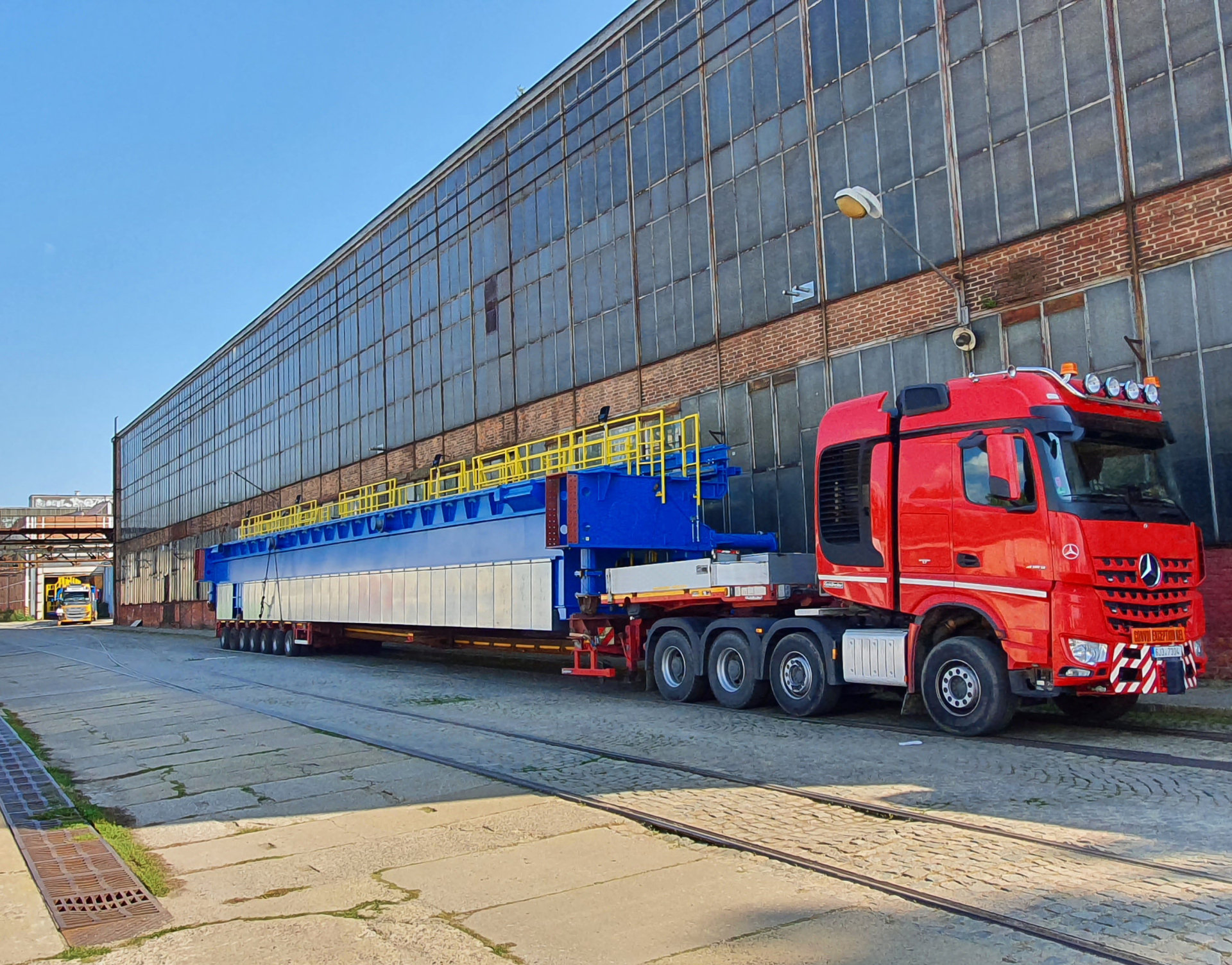
Not all logistics orders conform to standard transport parameters. Although the majority of shipments handled by Geis consist of palletised consignments within a groupage network and full-load or less-than-truckload shipments, logistics practice increasingly involves orders that fall outside the usual parameters. Sometimes the challenge lies in the dimensions, weight or method of handling the cargo. At other times, the decisive factors are the precise coordination of individual activities, the sequencing of deliveries or adherence to a strict timetable. It is precisely in such cases that thorough planning and a logistics solution designed according to the customer’s specific requirements play a key role.
One example of a demanding logistics project was the revitalisation of a retail store network. Here, Geis managed the entire logistics operation for the replacement of shelving systems, which required the original equipment to be removed and the new equipment delivered simultaneously within a precisely specified timeframe. The success of the project depended primarily on the meticulous coordination of individual shipments, adherence to deadlines and the seamless sequencing of all logistical operations, so that the modernisation of the shops proceeded according to plan.
“The most challenging projects are those that require something extra compared to standard transport. This may involve oversized cargo, specific handling requirements, or the precise coordination of follow-up activities and adherence to a strict timetable. The success of such contracts relies primarily on thorough preparation and the ability to respond to the customer’s specific needs,” says Petr Družkovský, Operations Director at Geis CZ.
From time to time, truly unconventional consignments also turn up. These included, for example, a small multi-purpose van that a customer sent via a groupage system, complete with the keys still in the ignition. Although there are precisely defined limits and packaging rules for this type of transport, such curious consignments demonstrate just how varied customer requirements can be.
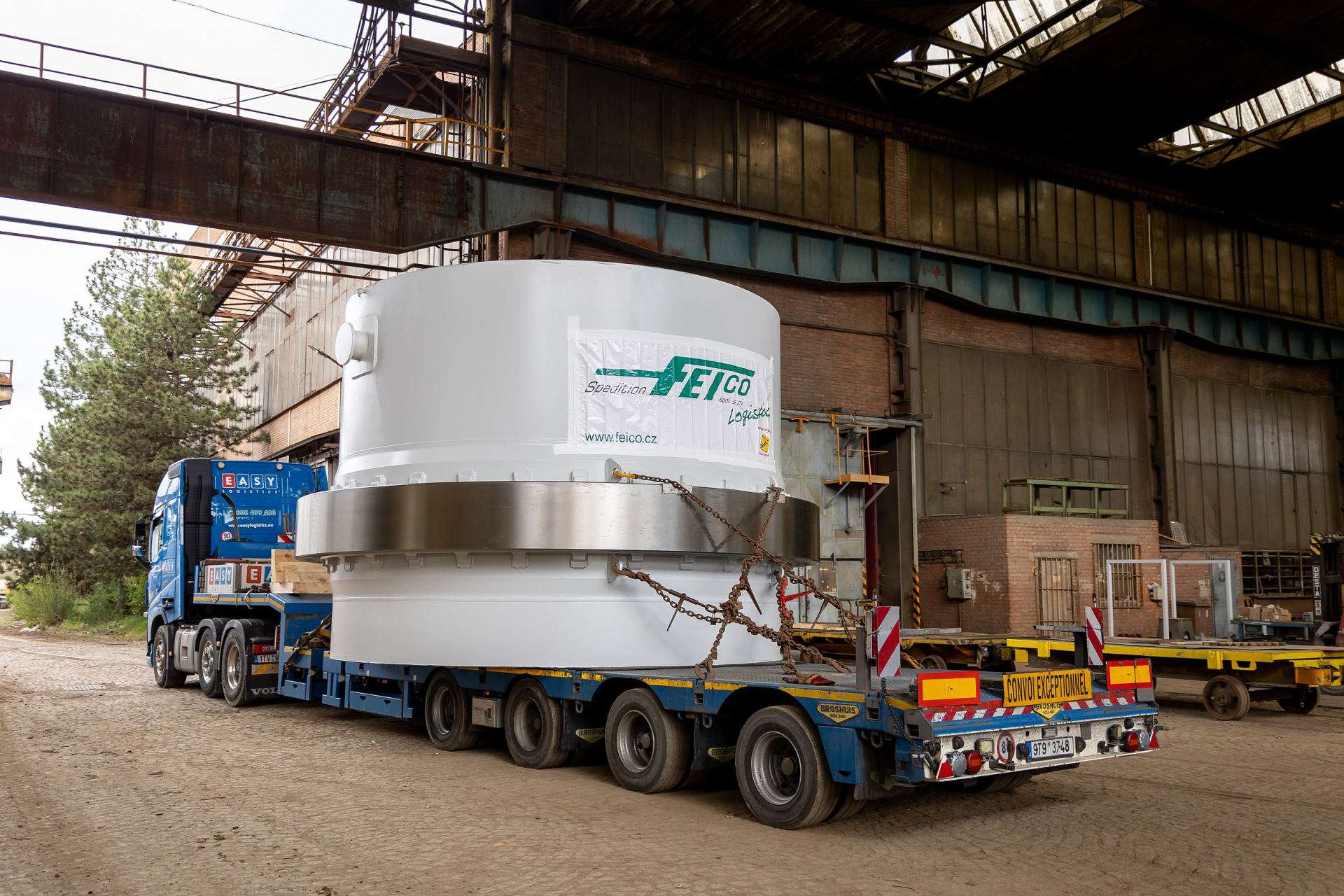
Oversized and project shipments represent a specific aspect of logistics, which the Geis Group carries out through its subsidiary Spedition Feico. Unlike standard shipments, the preparation of every detail plays a crucial role here. The project typically involves route planning, securing the necessary permits, coordination with the authorities and the deployment of specialised equipment.
In some cases, transport takes place a t night to minimise the impact on traffic. This is preceded by a detailed analysis of the entire route and an assessment of all potential obstacles. Sometimes it is necessary to temporarily adjust road signage, coordinate the movement of escort vehicles, or adapt the transport schedule to the operations of production plants and other facilities. Each project is a unique combination of technical, organisational and legislative requirements and demands a solution tailored to the specific load.
The diversity of project transport operations is also evidenced by the portfolio of completed contracts. For example, Spedition Feico has handled the transport of bridge crane components, residential modules, wind turbines and parts of a sugar beet washing drum. Although these loads vary significantly in terms of their dimensions and nature, they all share the need for detailed preparation and an individualised logistics solution.
The so-called last mile plays an equally important role. It is precisely this final stage of the journey that often presents the greatest challenge. Narrow roads, weight restrictions, a lack of space for unloading or the absence of suitable handling equipment can determine whether a consignment can be delivered on schedule.
“Even if an international shipment is handled without a hitch, that doesn’t mean the job is done. From a logistical point of view, the final kilometres are often the most demanding. That is why we pay close attention to the preparation of every order and the detailed planning of the final delivery,” adds Družkovský, continuing: “The boundaries of what is possible in logistics are constantly shifting. Thanks to our experience, specialised equipment and international cooperation, we are now able to carry out shipments that require a high degree of coordination and a bespoke approach. It is precisely this ability to devise a suitable solution for a specific type of consignment that is one of the key components of modern logistics today.”
The success of a shipment is therefore often determined not by a single parameter, but by a combination of factors – from dimensions and weight, through handling methods, to the availability of infrastructure at the loading and unloading points. It is precisely this ability to tailor logistics solutions to specific customer requirements that enables us to transport even consignments that fall outside standard parameters safely and efficiently.
Gallery